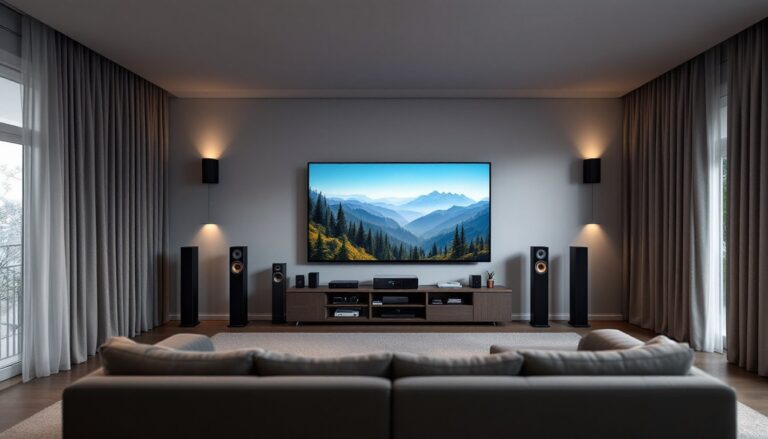

A 12×32 tiny home footprint offers 384 square feet of livable space, just enough to build a functional, comfortable dwelling without the sprawl. Whether you’re planning a primary residence, guest house, or investment property, the 12×32 layout strikes a practical balance between affordability and usability. This footprint works well on smaller lots, minimizes building and heating costs, and forces thoughtful design decisions that maximize every inch. In this guide, we’ll walk through popular 12×32 floor plans, layout strategies, and the material and design choices that make these compact homes work.
Table of Contents
ToggleKey Takeaways
- A 12×32 tiny home floor plan provides 384 square feet of livable space, striking a practical balance between affordability and functionality on smaller lots.
- Open-concept designs make tiny homes feel larger by eliminating walls and maximizing sightlines, while multi-zone configurations with partial walls or pocket doors offer privacy without sacrificing perceived spaciousness.
- Vertical storage solutions—tall cabinets, lofted beds with drawers, wall-mounted desks, and stacked mechanical systems—maximize every inch of your 12×32 footprint.
- Choose durable, low-maintenance materials like luxury vinyl plank flooring, semi-gloss paint finishes, and quartz countertops to withstand wear in compact living spaces.
- Verify local building codes, zoning requirements, and setback regulations before breaking ground to ensure your 12×32 tiny home meets IRC standards and local compliance.
- Incorporate natural light from windows at opposite ends and proper insulation (R-15 to R-19 walls) to improve comfort and create an open feeling in your compact space.
Understanding the 12×32 Tiny Home Footprint
A 12×32 footprint gives you 384 square feet on a single level, roughly the size of a large garage, but engineered for living. This rectangular shape is forgiving: it minimizes wasted hallway space and works well for both on-site parking and standard trailer dimensions if you’re building a mobile tiny home. Standard wall depth (16 inches for studs and sheathing on each side) cuts your interior to about 10.5 feet wide and 30 feet long, so every layout decision matters.
Building codes vary by jurisdiction, but most allow owner-built structures on private land without commercial licensing if they meet IRC (International Residential Code) standards. But, check your local zoning first, setback requirements, minimum lot size, and whether tiny homes are allowed in your area can kill a project before you break ground. If you’re placing the home on an existing foundation or trailer, confirm that electrical, plumbing, and HVAC rough-in routes won’t crowd your living areas.
The long, narrow profile naturally suits an open-plan approach, but you can also divide it into distinct zones using partial walls, sliding doors, or furniture placement. Ceiling height (typically 8 feet minimum, sometimes 9 feet to feel less cramped) and natural light from windows and doors at both ends create the illusion of more space.
Popular 12×32 Floor Plan Layouts
Open-Concept Designs for Spacious Interiors
Most compact 12×32 plans start with a single, unified living area that combines kitchen, dining, and living zones. This approach eliminates doorways and load-bearing walls that break the sightline, making 384 square feet feel larger than its actual footprint. A galley kitchen along one long wall (3 to 4 feet deep) leaves 7 feet for a living/dining area on the opposite side. Strategic furniture placement, a sofa facing the TV, dining table as a room divider, creates functional zones without walls.
Open-concept works especially well if large windows or glass doors punctuate the long sides. Natural light floods the entire space, and it’s easier to heat and cool one open zone than multiple rooms with doors. The trade-off: cooking odors linger, sounds travel, and privacy vanishes. If noise or smell is a concern, consider a partial wall with a serving counter: it divides the kitchen visually without walling it off completely.
Many open designs shift the sleeping area to a lofted platform above the entry or kitchen, gaining a second functional level without expanding the footprint. This requires tall ceilings (9+ feet) and careful stair design to not dominate the lower level. Load-bearing calculations and stair building code compliance (rise, run, and handrail specs) are non-negotiable here: hire a structural engineer if you’re unsure.
Multi-Zone Configurations for Living and Sleeping
If lofts feel cramped or you need ground-floor bedrooms, partition the 12×32 into two or three zones using full or partial walls. A typical split: 8-foot entry/kitchen at one end, a 10×12 bedroom or multipurpose room in the middle, and a 10×12 living area at the far end. This layout trades open-plan spaciousness for privacy and flexibility.
Partial walls (5 to 6 feet high, stopping short of the ceiling) soften the division and preserve sightlines while creating acoustic separation. Pocket doors or sliding barn-style doors slide fully into wall cavities, saving the swing space a hinged door needs. Both require proper framing and hardware, but they’re DIY-friendly if you’re comfortable with drywall and basic carpentry.
Another option: a bedroom nook on one end (8×10 feet) with French doors, paired with a large living/kitchen zone on the other. This suits a couple or single occupant better than a family. Resources like free DIY tiny house plans provide proven layouts you can adapt to your footprint and needs.
Maximizing Space in Your 12×32 Tiny Home
Smart design and material choices make or break a 12×32 layout. Start with built-in storage: wall shelves, under-stair cabinets, and closet systems reclaim wasted corners. Lofted beds with drawers or cabinets underneath turn dead space into function. A kitchen with tall cabinets (reaching 9 or 10 feet, not standard 8-foot uppers) and no gap above steals extra cubic footage without expanding the footprint.
Narrow hallways are a waste in this square footage. Instead, design egress (safe exit routes) with direct door access to bedrooms and living areas. Building codes require at least one operable window in sleeping areas for emergency escape: a 24-inch-wide double-hung or casement window meets this standard without eating much wall space.
Vertical thinking applies everywhere: tall closets, wall-mounted desks, hanging shelves, and fold-down tables save floor area. Materials matter too. Light paint colors and reflective finishes (glossy trim, lighter flooring) amplify perceived space. Small ideas from home decoration sources about apartment-style living often translate perfectly to tiny homes.
Mechanical rooms and utility closets should stack vertically if possible, water heater, furnace, and electrical panel in one compact chase running floor-to-ceiling. This frees floor space and simplifies rough-in plumbing and electrical runs. Insulation, air sealing, and efficient HVAC sizing prevent oversized equipment that dominates rooms.
Natural light and views matter psychologically. Two large windows at opposite ends create cross-ventilation and make the space feel open. Skylights or clerestory windows bring light to interior zones without external wall space.
Materials and Design Considerations
Tiny homes demand durable, low-maintenance materials because wear shows quickly in tight quarters. Vinyl plank flooring (1/4-inch luxury vinyl, or LVP) is forgiving underfoot, easy to clean, and handles temperature swings better than solid hardwood in compact spaces. It’s also cheaper and faster to install than tile or laminate. Walls take a beating in tiny homes: semi-gloss or satin finishes on paint resist scuffs better than matte. Avoid dark colors: they absorb light and shrink the visual space.
Kitchens and bathrooms need durable, wipeable surfaces. Quartz countertops (engineered stone) outperform laminate in durability and moisture resistance, though they cost more upfront. Stainless steel or ceramic tile backsplashes look clean and hide fingerprints. Budget accordingly: a 12×32 kitchen is small, so splurging on a quality faucet and durable sink pays dividends.
Framing and structure follow standard 2×4 stud walls spaced 16 inches on center, with 1/2-inch drywall and standard fasteners. Nothing fancy, tiny homes aren’t experimental. Use tongue-and-groove or beadboard in visible areas (ceilings, accent walls) to add character without complexity. Engineered joists or I-beams for floors reduce dead space compared to traditional 2×10 joists: they’re flatter, don’t deflect as much, and leave room for radiant heating or plumbing underneath.
Insulation matters in tiny homes because heat loss or gain is proportionally higher than in larger structures. Spray foam or fiberglass batts (R-15 to R-19 walls, R-30+ ceiling) prevent condensation and improve comfort. Pay attention to air sealing, gaps around windows, doors, and penetrations undermine insulation value.
Building materials are covered by local code inspections: tiny homes aren’t exempt. Framing, electrical (NEC-compliant), plumbing (IPC-compliant), and HVAC all need sign-off before drywall goes up. If you’re hiring contractors, ensure they’re familiar with compact layouts and code requirements for tiny structures. If DIY-building, engage a local building official early: they’ll flag issues before costly mistakes. Handyman projects like carpentry and finish work are great learning tools for smaller tasks, but structural and mechanical systems warrant professional knowledge.
Conclusion
A 12×32 tiny home delivers practical living in 384 square feet when thoughtfully designed. Choose your layout (open-concept or multi-zone), maximize vertical space and storage, and select durable materials that suit compact living. Verify local codes and zoning early, build with standard-compliant framing, and don’t skip foundation, HVAC, or plumbing design. Done right, a 12×32 home becomes an affordable, efficient retreat or primary residence.