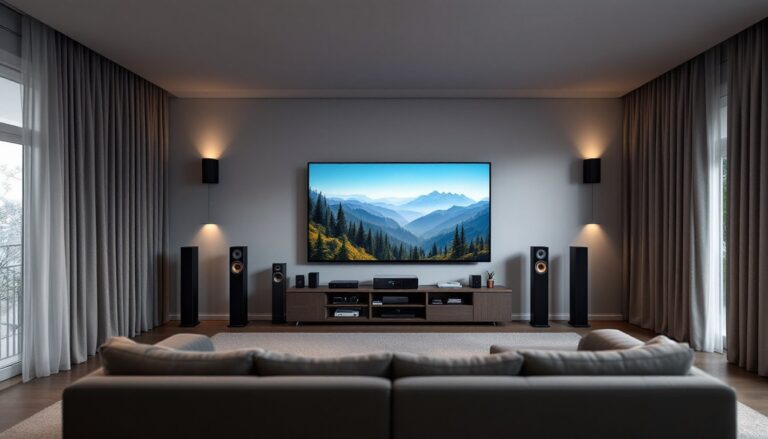

Bellevue homeowners have consistently invested in property upgrades, and 2026 is shaping up to be a banner year for home remodeling. Whether you’re updating a dated kitchen, refreshing bathroom fixtures, or reimagining your living spaces, the right remodel boosts both daily living quality and long-term home value. This guide walks you through practical Bellevue home remodeling strategies, from planning and budgeting to executing specific room projects. If you’re ready to stop scrolling Pinterest and start swinging a hammer (or hiring the right pro), you’re in the right place.
Table of Contents
ToggleKey Takeaways
- Kitchen and bathroom upgrades in Bellevue home remodeling can recoup 60–80% of costs at resale while improving daily living quality and energy efficiency by 15–25%.
- Bellevue homeowners should prioritize permits and licensed professionals for structural, plumbing, and electrical work to ensure code compliance and protect long-term property value.
- Strategic material selection—choosing mid-range cabinets, solid countertops, and standard appliances—delivers 80% of luxury results at 50% of premium pricing.
- Large-format porcelain tiles and waterproof membranes in bathroom remodeling prevent costly mold and moisture damage, especially important in Bellevue’s wet climate.
- A phased remodeling approach starting with kitchens, then bathrooms, then living spaces allows budget-conscious homeowners to maximize ROI across multiple projects.
- Fresh paint, under-cabinet LED lighting, and updated fixtures offer high-impact cosmetic wins that DIY-friendly and cost-effective for Bellevue home remodeling projects.
Why Bellevue Homeowners Are Investing in Remodeling Now
Bellevue’s real estate market shows steady appreciation, and smart homeowners know that kitchen and bathroom upgrades pay back 60–80% of their cost at resale. Beyond ROI, there’s the quality-of-life factor: a functional kitchen with better storage and workflow saves time every day, while a spa-like bathroom becomes your morning sanctuary.
Another driver: code updates and energy efficiency standards keep shifting. Older electrical systems, single-pane windows, and outdated HVAC setups aren’t just inefficient, they may not meet current IRC (International Residential Code) standards. Remodeling lets you upgrade wiring, insulation, and appliances to modern specs, often lowering utility bills by 15–25%.
Final reality check: Bellevue winters are real, and homes built before 2000 often lack adequate insulation or moisture barriers. A thoughtful remodel addresses those hidden issues before they turn into expensive water damage or mold problems.
Kitchen Remodeling Ideas That Add Value and Function
A kitchen remodel is the heavyweight champion of home improvements. Start with the layout: if you’re moving plumbing or gas lines, you’ll need permits and likely a licensed plumber or gas fitter. If you’re just replacing cabinet doors and countertops, it’s DIY-friendly.
Cabinet and Storage: Modern kitchens maximize vertical space and deep drawers over traditional fixed shelves. Soft-close hinges and pull-out pantry systems cost a bit more upfront but reduce frustration for 20+ years. If your cabinets are solid wood and well-positioned, you can refinish or reface them, a budget-conscious move that refreshes the look without a full gut.
Countertop Materials: Laminate costs $5–15 per square foot and handles everyday use fine. Butcher block or quartz run $40–100+ per square foot but resist stains and heat better. Granite looks beautiful but requires sealing every 1–3 years. Choose based on cooking style and maintenance tolerance, not just Instagram aesthetics.
Lighting and Workflow: Under-cabinet LED strips are inexpensive, simple to install, and transform prep work. A dedicated island with a drop light or two anchors the cooking zone and gives you extra counter space. Consider dimmer switches on overhead fixtures, they let you shift from bright task lighting to ambient dinner lighting with one dial.
Appliance Selection: Stainless steel is durable and hides fingerprints reasonably well. Black matte is trending but shows dust. Don’t overspend on features you won’t use (WiFi refrigerators are handy, but a standard gas range works perfectly). Match your appliance lifespan to your remodel timeline: if you’re staying 15+ years, spend on quality: if you might move sooner, mid-range brands serve you well.
Bathroom Updates That Elevate Your Daily Routine
Bathrooms are second only to kitchens in remodeling ROI. Even a modest refresh, new tile, updated fixtures, and a coat of quality paint, shifts the entire feel from dated to intentional.
Tile and Flooring: Large-format tiles (12×24 or 18×36 inches) are easier to keep clean and create an airy visual flow. Porcelain is more forgiving than ceramic for wet areas: it resists staining and is less slippery underfoot. Underfloor heating (if you’re gutting to the joists) is a luxury that pays dividends on cold mornings. Use a water-proof substrate or membrane behind tile to prevent mold and structural damage, this isn’t an area to cut corners.
Vanities and Storage: A floating vanity with open shelving below gives the illusion of more space and makes cleaning the floor simple. Built-in shelving above the toilet reclaims otherwise wasted real estate. Match your storage to what you actually store: hair tools, skincare, medications. Custom cabinetry costs more but fits awkward spaces.
Showers and Tubs: If you use the tub, keep it: if you only shower, converting to a spacious walk-in with a rainfall showerhead and body jets is a mood upgrade. A half-glass panel (rather than full enclosure) keeps sightlines open in tight bathrooms. Ventilation is critical: install a humidity-sensing exhaust fan rated for your room’s square footage. Moisture trapped in walls becomes mold, a $500 exhaust fan now beats a $5,000 remediation later.
Lighting and Mirrors: Vanity lights on both sides of the mirror (not just overhead) reduce shadows. LED bulbs rated 3000K (warm white) are flattering without being yellow. Large mirrors expand perceived space and bounce light around. Consider a lighted mirror if you’re rewiring, it adds luxury and function at modest cost.
Living Spaces: Creating the Perfect Gathering Area
Living rooms, dining areas, and family rooms are where togetherness happens. Remodeling here is about flow, comfort, and personality, less about code compliance and more about smart design.
Layout and Traffic Flow: Clear a main pathway from the entry through the room to the exit. Avoid awkward furniture arrangements that force people to squeeze or jump over a coffee table. An open-plan layout (removing a non-load-bearing wall) requires an engineer’s sign-off and temporary bracing during construction, but it expands sightlines and makes spaces feel larger. If a wall is load-bearing, don’t touch it without professional help.
Flooring Continuity: Hardwood throughout looks cohesive and adds warmth. If you’re mixing materials (hardwood in the living room, tile in the kitchen), use a transition trim to blend them. Refinishing existing hardwood beats ripping it out: sanding and staining costs 30–50% less than new flooring.
Wall Treatments and Color: A fresh coat of paint (primer + two topcoats) is the fastest, cheapest transformation. Rich jewel tones (emerald, navy, terracotta) are in and pair well with warm wood tones. Shiplap or board-and-batten add texture and are easier than wallpaper to refresh later. Avoid ultra-trendy colors in gathering spaces where you’ll spend hours: neutrals with bold accent walls work longer.
Focal Points: A fireplace (real or faux) anchors a room and draws the eye. Built-in shelving around a TV or window seat adds character and storage. Lighting control, ceiling fixtures on dimmers, wall sconces, and floor lamps, lets you set mood from energetic to cozy. Consider wiring additional outlets during remodeling: future you will be grateful when plugging in holiday lights or phone chargers doesn’t require an extension cord daisy-chain.
Budget-Smart Remodeling: Getting Results Without Breaking the Bank
Not every dollar spent yields equal returns. Prioritize strategically. Structural repairs and safety upgrades (roof leaks, foundation cracks, electrical faults) come first, they protect your investment. Cosmetic wins (paint, hardware, lighting) deliver high impact per dollar and you can do many yourself.
Use cost estimators and contractor reviews: platforms like HomeAdvisor’s project cost guides and Angi’s contractor ratings help you benchmark regional labor rates and material prices before committing. Get three quotes, and don’t automatically choose the cheapest, a contractor who works quickly may cut corners on prep, leading to costly rework.
DIY vs. Hire: Painting, simple tile work, cabinet hardware swaps, and light fixture installation are reasonable DIY projects if you’re comfortable with basic tools. Plumbing, electrical, gas lines, and structural work require licensed professionals, building codes exist for safety, and unpermitted work can tank resale value. Hybrid approach: hire the specialized trades, do the finish work yourself.
Material Selection: Mid-range cabinets, solid countertops, and standard appliances deliver 80% of the luxury feel at 50% of premium pricing. Generic subway tile is timeless and inexpensive. Splurge on one or two signature pieces (a statement light, quality hardware, a show-stopping tile) and let the rest be solid, understated choices.
Phased Approach: If budget is tight, tackle the kitchen first (highest ROI), then bathrooms, then living spaces. You don’t need to do everything at once. Staged remodeling also lets you learn from the first phase before investing in the second.
Getting Started: Planning Your Bellevue Home Remodel
Before you swing a sledgehammer, invest a few hours in planning. Start by measuring your rooms and taking photos from multiple angles. Sketch a rough layout with dimensions. Note existing electrical outlets, water lines, and gas connections, moving these is expensive.
Set a realistic budget. Cost varies wildly by scope and region, but a full kitchen remodel in the Bellevue area runs $50,000–150,000+, bathrooms $15,000–40,000+, and living space cosmetics $5,000–25,000. ImproveNet’s renovation guides break down typical costs by project type and geography.
Permits and Inspections: Check with your local building department. Bellevue’s permitting process typically requires plans for structural or mechanical work. Unpermitted work invites code violations and future buyer inspection failures. The permit fee pays for itself through peace of mind.
Contractor Selection: Verify licensing, insurance, and references. A local contractor familiar with Bellevue’s codes and climate wins over someone cutting their teeth on your dime. Written contracts spelling out scope, timeline, payment schedule, and cleanup expectations prevent misunderstandings.
Material Selection: Visit showrooms, touch samples, and live with paint swatches on your wall for a few days. Photos lie: color shifts under natural and artificial light. Order long-lead items (custom cabinets, special tile) early, delays compound if you’re on a tight timeline.
Conclusion
A Bellevue home remodel isn’t just about spending money, it’s about making smart choices that serve your daily life, meet building codes, and protect your investment. Start with priorities, research costs thoroughly, hire licensed pros for structural and mechanical work, and don’t skip prep. Whether you’re tackling one room or a whole-house refresh, thoughtful planning and honest communication with your contractor set the stage for a successful project and a home you’ll love for years to come.