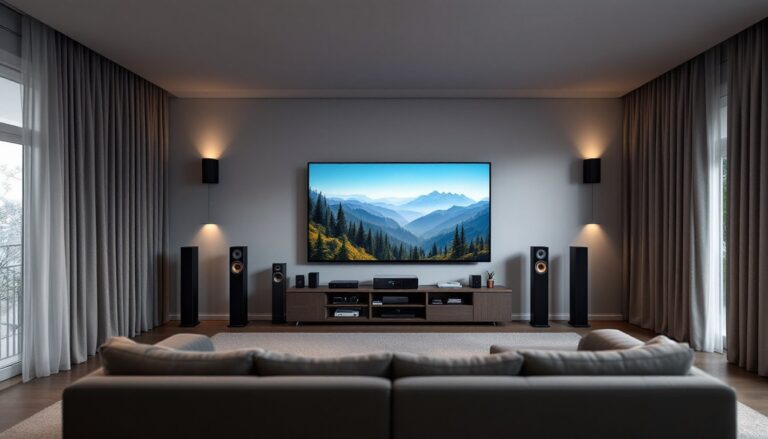

Setting up a home theater is about more than just hanging a screen and plugging in speakers, the seating makes or breaks the entire experience. You can have the best image quality and surround sound, but if you’re sitting on an uncomfortable couch for two hours, that 4K action sequence loses its impact. Home theater seats specifically engineered for viewing comfort will keep you engaged from opening credits to the final fade-out. Whether you’re retrofitting a media room or building from scratch, choosing the right seating affects not just comfort, but how often you’ll actually use the space. This guide walks through the key decisions that separate mediocre viewing from immersive, theater-grade comfort.
Table of Contents
ToggleKey Takeaways
- Quality home theater seats engineered for lumbar support and extended viewing comfort transform an entertainment space and keep you mentally invested during long movies.
- Choose between individual power recliners for flexibility and layout control, or theatrical-grade stadium seating for premium durability and professional aesthetics in dedicated viewing rooms.
- Prioritize high-density foam cushioning, genuine leather or quality fabric upholstery, and integrated features like USB ports and cup holders to maximize comfort and convenience without floor clutter.
- Plan your room layout precisely by measuring viewing distance (1.2–1.5× screen diagonal), ensuring proper staggered sightlines, and verifying floor joist capacity for multi-seat setups that can exceed 2,000 pounds.
- Test best home theater seats in-store for at least 15 minutes at your intended recline angles, as comfort during a brief demonstration may not match the experience of 90-minute viewing sessions at home.
- Maintain proper climate control with 40–50% relative humidity and good air circulation to prevent moisture damage, mildew, and odors that can shorten seat lifespan by years.
Why Quality Seating Matters for Your Home Theater Experience
Your back spends the entire movie resting against your seat, which is why cheap, unsupportive furniture will derail even a well-designed room. Theater-purpose seating provides lumbar support, cushioning engineered for longer viewing windows, and positioning that reduces neck strain, things standard living room recliners often skip. The difference becomes obvious during a three-hour film: your muscles don’t fatigue, you’re not shifting to find a comfortable spot, and you stay mentally invested in the action.
Proper theater seating also saves your flooring and enables flexible room layouts. Heavy standard furniture can scratch hardwood or crease carpeting, whereas theater seats sit stationary or on protected casters. Built-in cup holders, USB charging ports, and power controls put convenience at arm’s reach, so you’re not scrambling to pause when the popcorn hits. If you’re investing money into display technology and acoustics, furniture that fails after two years of regular use wastes the entire budget.
Beyond the physical experience, dedicated theater seating signals intention, it transforms a room into a dedicated entertainment space rather than a compromise setup. That psychological shift matters more than many realize. When family and guests walk into a properly appointed media room, they’re more likely to spend time there, host movie nights, and justify the entire project.
Types of Home Theater Seating Options
Home theater seating falls into a few main categories, each with tradeoffs between cost, flexibility, and viewing posture. Understanding the differences helps narrow your options based on room size, budget, and how many people you’re seating.
Reclining Chairs and Power Recliners
Individual recliners remain the most common choice for home theater because they offer personalized comfort and flexibility in room layout. A standard reclining chair lets you manually adjust your backrest and footrest, while a power recliner adds motor controls via remote or wall switch, some models include memory positions so each household member can save their preferred angle.
Power recliners often include heating and massage functions that elevate the experience, though these add significant cost. Look for models with genuine leather or high-quality fabric upholstery: cheaper vinyl tends to crack and feel cold. Seat depth matters too, a 32- to 36-inch depth suits most adults without requiring you to slouch to reach the backrest.
Recliner positioning requires careful planning. You need 3 to 4 feet of clearance behind the seat for the footrest and recline mechanism to extend fully. If your room can’t accommodate that, measure specific models before buying, or consider a compact or wall-hugger recliner that requires less rear clearance.
Theater-Style Seats and Stadium Seating
Theatrical-grade seats bolt to a raised platform or install in tiered rows, mimicking commercial cinema setups. These are fixed in position but offer premium build quality, cup holders integrated into armrests, and a unified aesthetic that looks intentional. Stadium seating, where each back row sits higher than the one in front, ensures sightlines aren’t blocked by someone’s head, which matters in multi-row setups.
Theatrical seats typically cost more per unit than recliners, and installation can require leveling, reinforcing floor joists, or anchoring to concrete. But, they’re engineered to last 10+ years with minimal maintenance, and they handle heavy use better than residential furniture. Some models still include power recline, heating, and storage compartments, though these features push cost closer to mid-range home theater packages.
Theatrical seating works best in dedicated rooms where you’re not splitting the space with other activities. They’re harder to repurpose or remove if your needs change, so commit to the layout before installation.
Key Features to Look For When Buying Home Theater Seats
Once you’ve settled on a seat type, focus on the features that drive long-term satisfaction. Not every feature matters equally: prioritize based on how you actually use the room.
Comfort and Material Quality
Upholstery is the first surface your body encounters, so material choice affects both comfort and durability. Top-grain leather feels premium and wipes clean easily, ideal if you eat or drink in the room. But, leather requires conditioning to prevent cracking and is sensitive to temperature shifts: a cold theater can feel uncomfortable initially. Genuine leather seats cost 20% to 40% more than quality fabric alternatives.
High-density foam cushioning (2.0 to 2.5 pounds per cubic foot) maintains its shape better than budget foams that sag after 18 months. A proper seat should support your thighs without compressing excessively, and the backrest should hold your lumbar curve without pushing you forward.
Arrest width and depth directly affect comfort for different body types. Seats with 26- to 28-inch widths suit most users, but if you’re outfitting for larger frames or sharing between people of very different sizes, look for extra-wide models. Footrest extension length also varies, longer legs need seats with 18+ inches of footrest travel.
Built-in storage compartments in armrests or under seats add practical value without taking up floor space. USB charging ports embedded in armrests eliminate the need for extension cords snaking across the room. Cup holders integrated into the armrest are far better than pull-out trays, which can spill if you recline aggressively.
Power mechanisms should be quiet, listen to a unit in action before committing. Cheap motors grind loudly, and you’ll hear them over dialogue during quiet scenes. Look for seats with backup manual recline in case the motor fails, ensuring you’re not stuck in a reclined position. Reviews on platforms like Good Housekeeping regularly test consumer theater seating for durability and comfort, providing real-world performance data. Warranties typically run 2 to 5 years for mechanical parts: longer warranties suggest manufacturer confidence in longevity.
Space Planning and Layout Considerations
Before clicking “buy,” measure your room and plan the layout with precision. Even premium seats fail if the room layout doesn’t accommodate them.
Viewing distance is critical for image immersion without eye strain. For a 4K display, sit about 1.2 to 1.5 times the diagonal screen width away, so a 75-inch TV needs seating 8 to 10 feet back. If your room is smaller, a smaller display or shorter viewing distance works, but don’t force large screens into cramped spaces. Rows should be staggered, with each seat placed slightly to the side and forward of the seats behind it so no one’s looking at the back of another person’s head.
Wall-to-wall measurements let you calculate how many seats fit and in what configuration. A two-seat loveseat occupies roughly 5 to 6 feet of width: individual recliners need 3 to 3.5 feet each. Don’t squeeze seats too tightly, you want breathing room between units, and armrest-to-armrest contact makes the space feel cramped. If possible, leave 18 inches of walkway space on at least one side for cleaning and maintenance.
Floor type affects both comfort and logistics. Theater seating sits low, so you want a cushioned surface underfoot, carpet is ideal, though a quality rug under hard flooring works. If you’re mounting seats on a raised platform or installing stadium-style rigs, check floor joist capacity. A single theater recliner weighs 200 to 400 pounds depending on size and mechanisms: multiple seats plus the platform can exceed 2,000 pounds, requiring structural planning. If your room has a basement beneath, consult a structural engineer before pouring concrete or reinforcing joists.
Cooling and humidity matter too. Theater rooms benefit from good air circulation so the space doesn’t get warm and stuffy during a long viewing session. Leather and fabric seats absorb moisture and can develop mildew in damp basements. Reviews on Digital Trends highlight how climate control impacts long-term seat condition, showing that proper ventilation extends upholstery life by several years. Aim for 40% to 50% relative humidity and adequate air exchange to prevent odors.
Finally, test before you buy if possible. Visit showrooms where you can sit in candidate seats for 15 minutes at the angles and positions you’ll actually use. Comfort in a store for 5 minutes doesn’t match 90 minutes of viewing at home.