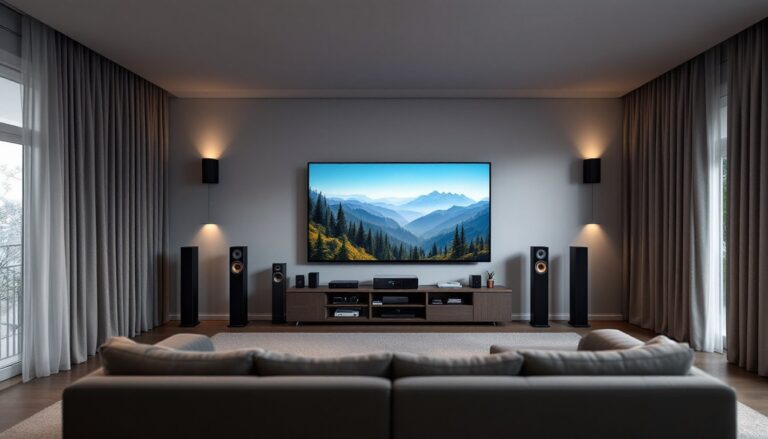

A 400-square-foot tiny home, roughly the size of a one-car garage, might sound cramped at first glance. But the reality is far more livable than it appears. With thoughtful design, intentional furniture choices, and smart storage solutions, residents of 400 square foot homes are proving that square footage doesn’t determine quality of life. Whether you’re downsizing, building a guest cottage, or exploring the tiny-home lifestyle, a compact footprint forces you to think carefully about every inch. This guide walks through the practical layout decisions, design strategies, and construction considerations that transform a 400-square-foot space into a functional, comfortable home.
Table of Contents
ToggleKey Takeaways
- A 400 square foot tiny home requires intentional design and smart storage solutions to transform limited space into a functional, comfortable living environment.
- Open-concept layouts, vertical storage systems, and multi-purpose furniture maximize usable floor space and maintain sightlines in compact footprints.
- Light neutral colors, mirrors, natural lighting, and reflective surfaces create the psychological perception of openness and make a 400 square foot space feel significantly larger.
- Efficient kitchen and bathroom planning—galley layouts, compact appliances, and space-saving fixtures—are essential for maintaining workflow in tiny homes.
- Building codes, permits, and right-sized mechanical systems must be prioritized during construction to avoid costly mistakes and ensure long-term livability.
- Ruthless curation of possessions and rotating seasonal items into external storage keeps a 400 square foot home breathable and clutter-free.
Understanding The 400 Square Foot Layout
A 400-square-foot footprint typically breaks down into roughly 250–280 square feet of usable living space (the remaining area goes to walls, mechanical systems, and circulation). A common layout pairs a main living/sleeping zone with a compact kitchen, bathroom, and entry. The goal is open sightlines and minimal hallway waste.
Most efficient 400-square-foot floor plans use an open-concept living area rather than separate rooms. A kitchen adjacent to the living room, combined with a bedroom alcove or lofted sleeping area above, maximizes usable floor. Bathrooms stay minimal, a toilet, sink, and tub or shower in roughly 35–40 square feet is realistic without feeling like a closet. The entry shouldn’t eat more than 20–30 square feet. Building codes (which vary by jurisdiction, so check local IRC or building department rules) require minimum ceiling heights of 7 feet in habitable spaces and 5 feet 8 inches in bathrooms. In a 400-square-foot home, every foot of ceiling height matters for perceived openness.
Maximizing Your Space: Smart Storage and Organization Solutions
Storage in a tiny home isn’t optional, it’s architectural. Wall-mounted shelving, built-in cabinetry, and under-bed drawers replace the closets and cupboards larger homes take for granted. Vertical storage is your best friend: floor-to-ceiling shelves, wall-hung cabinets, and hanging organizers pull double duty by storing items and visually defining zones in an open layout.
Built-in storage during construction is far easier than retrofitting shelves later. Dedicate one wall to cabinetry with adjustable shelves, drawers, and closed storage to hide clutter. Under-stair drawers (if there’s a lofted area), under-window benches with lift-top storage, and recessed shelving in wall cavities between studs all add cubic feet without claiming floor space. Open shelving above the kitchen sink or in the living area works if your household is disciplined about tidiness, otherwise, closed cabinetry keeps visual chaos at bay.
Strategies like those featured in small space organization guides emphasize the importance of ruthless curation. A 400-square-foot home isn’t the place for sentimental clutter or “just in case” items. Adopt a mindset: if it doesn’t serve daily life or bring genuine joy, it doesn’t earn its storage space. Rotating seasonal items (winter clothes, holiday decor) into external storage keeps the home breathable.
Furniture Selection and Multi-Purpose Pieces
Furniture in a tiny home must earn its footprint. A bed with drawers underneath, a sofa that converts to guest sleeping, or a dining table that folds down when not in use reduce the number of pieces needed. Ottomans with hidden storage, nesting tables, and wall-mounted desks replace their full-size counterparts without sacrificing function.
Scale matters too. A full-size sectional will dominate a 400-square-foot living room and block sightlines. A loveseat paired with a single chair lets you maintain circulation and visual flow. Furniture legs (rather than solid bases) make the space feel airier by letting light underneath. When selecting pieces, measure your doorways and walkways first, a beautiful table that doesn’t fit through the entry is an expensive mistake.
Creating Visual Openness Through Design Choices
A 400-square-foot home’s psychological comfort hinges on how open and spacious it feels. Paint colors, lighting, mirrors, and the strategic removal of visual barriers are cheap ways to expand the perceived footprint.
Light, neutral wall colors, soft whites, warm grays, pale greiges, reflect light and make rooms feel bigger. A single accent wall in a deeper tone can anchor a space without closing it in, but avoid dark or saturated colors that eat light. Flooring should flow across zones: a continuous material (light wood, polished concrete, or pale tile) eliminates transitions that chop the space into smaller segments. Rugs define areas without walls, but make sure they’re proportioned to the room, a tiny rug under a sofa just emphasizes how much empty floor remains.
Mirrors are tiny-home MVPs. A large mirror opposite a window bounces natural light around the room and creates the optical illusion of depth. Reflective surfaces on cabinet hardware, glass shelving, and polished metal fixtures amplify the effect. Lighting design is equally critical: warm LED strip lights hidden above cabinets, track lighting that adjusts as needs change, and a central ceiling fixture ensure the home feels bright and welcoming, not cave-like. Approaches explored in small-space design resources consistently emphasize natural light as the foundation for comfortable tiny living.
Vertical elements, tall bookcases, narrow mirrors, floor-to-ceiling windows or window treatments, draw the eye upward and make ceilings feel higher. Horizontal sight lines that stretch unbroken across the open plan also expand the sense of space. Clutter immediately shrinks a tiny home, so the design must support a clean, curated aesthetic.
Kitchen and Bathroom Efficiency in Tiny Homes
Kitchens in 400-square-foot homes are compact but must still function as prep zones, cooking areas, and often dining spots. A galley layout (parallel counters) is efficient: stove and sink on one side, refrigerator and prep counter on the other, with about 3–4 feet between them. This arrangement minimizes steps and keeps workflow tight.
Cabinet strategy matters. Vertical storage with cabinets reaching the ceiling (if codes allow) captures space wasted above standard 36-inch uppers. Open shelving near the stove for frequently used pots and pans saves door-swinging space. A compact microwave, undercounter refrigerator, or a slim dishwasher (18 inches wide instead of standard 24 inches) are common trades that preserve counter real estate. Countertops in light colors and reflective finishes (polished laminate, quartz, or stainless steel) expand the visual kitchen.
Bathrooms face similar constraints. A corner toilet, a pedestal or wall-mounted sink, and a compact stall shower or tub-shower combo fit into 35–40 square feet. Walk-in showers consume less floor space than tub-surround combinations but cost more to renovate. Ventilation is critical in such tight quarters, an exhaust fan that vents to exterior (not attic) is required by code to prevent moisture damage. Medicine cabinets and recessed shelving in the wall between studs provide storage without protruding. Light colors, mirrors above the sink, and bright lighting make even a small bathroom feel spa-like rather than cramped.
Budget estimates for these systems are regional, but homeowners typically invest $8,000–$15,000 for a functional kitchen and $3,000–$7,000 for a bathroom, lower than larger homes because you’re working with less material but higher per-square-foot due to finish expectations.
Building and Customizing Your 400 Square Foot Home
If you’re building from scratch rather than retrofitting, the construction phase sets the tone for livability. Framing should account for built-in storage: plan stud placement for recessed shelves, cabinet runs, and fixed furniture. A 400-square-foot footprint is small enough that one or two structural mistakes, undersized windows, poor door placement, a kitchen facing the wall instead of the living area, will haunt you for years.
Permits and inspections are non-negotiable. Depending on jurisdiction, a 400-square-foot dwelling may trigger different requirements than larger homes: minimum egress windows (typically 5.7 square feet with at least 20 inches wide and 24 inches tall for bedrooms), electrical capacity for efficient heating/cooling, and foundation design suited to local climate. Some regions have specific tiny-home codes: others fold them into standard residential building codes. Hire a local architect or building consultant familiar with small homes and your jurisdiction’s requirements, this investment prevents costly rework.
Mechanical systems must be right-sized. A oversized HVAC system cycles on and off inefficiently and wastes energy. Compact, efficient systems designed for 400 square feet, mini-split heat pumps, radiant floor heating, or high-efficiency forced air, keep operating costs low. Water heating, plumbing, and electrical service should be planned to minimize runs and waste.
An innovative example is this 400-square-foot tiny home on wheels in Texas, which demonstrates how loft bedrooms, skylights, and efficient layouts maximize comfort in a mobile footprint. Whether your home is permanent or mobile, the design principles remain: intentional layout, multi-functional zones, and systems scaled to the footprint.
Conclusion
A 400-square-foot home challenges you to be intentional about every purchase, every square inch, and every design decision. But that constraint is also its strength: forced curation means a home without excess, a lower environmental footprint, and dramatically reduced maintenance and utility bills. The homes that work best are those designed with honesty about how the residents actually live, not Pinterest fantasies. Plan your layout, invest in smart storage and quality multi-use pieces, and don’t skip the fundamentals, permits, proper ventilation, right-sized systems, and durable finishes. A well-designed 400-square-foot home isn’t just livable: it’s genuinely comfortable.