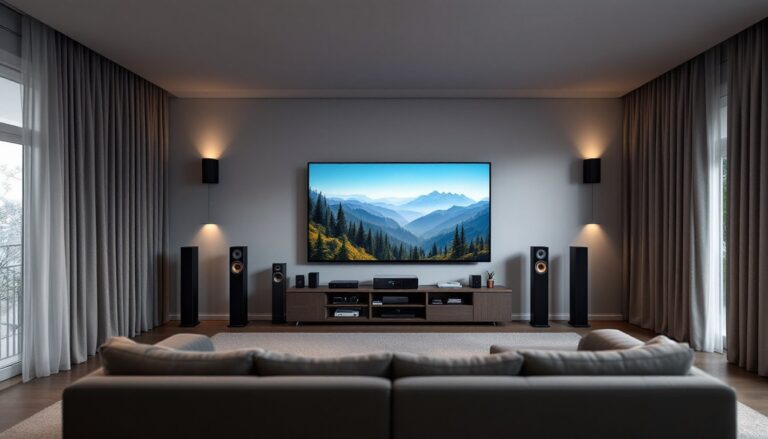

Home theater seating can make or break your viewing experience. You can have the best projector and sound system on the market, but if you’re sitting on an uncomfortable couch for three hours, you won’t enjoy your movies. When it comes to finding the best place to buy home theater seating, homeowners face plenty of options, from online retailers with massive inventories to specialty showrooms where you can test recliners in person. The right choice depends on your budget, your need to see and feel the furniture before buying, and whether you want delivery and installation help. This guide walks you through the major retailers and what each one does best.
Table of Contents
ToggleKey Takeaways
- The best place to buy home theater seating depends on balancing price, comfort testing, delivery logistics, and customization options across online retailers, specialty shops, showrooms, and direct manufacturers.
- Online retailers offer the broadest selection and competitive pricing, but require careful review reading and return policy verification since you cannot test the seating in person before purchase.
- Specialty home theater retailers provide expert guidance on acoustics and room integration, often including delivery and setup in the service and offering financing options like 0% APR.
- Furniture showrooms and department stores let you sit in recliners before buying, reducing comfort risk, and frequently offer seasonal discounts of 20–40% alongside extended warranties for motorized pieces.
- Buying directly from manufacturers like Seatcraft and Palliser offers customization control, comprehensive warranties of 5–10 years, and the lowest per-seat costs for bulk orders, though lead times typically run 8–16 weeks.
- Before making a final purchase, measure your space carefully, research customer reviews across multiple sites, confirm delivery and assembly details in writing, and consider a hybrid approach of online research followed by in-person showroom testing.
Online Retailers For Convenience And Selection
Online retailers offer the broadest selection and often the most competitive pricing. Amazon, Wayfair, and Overstock stock hundreds of home theater recliners and seating arrangements, from budget-friendly two-seaters under $500 to premium motorized recliners exceeding $2,000 per seat.
The main advantage is convenience: you can compare dozens of options from your phone, read verified customer reviews, and often return items if they don’t meet expectations. Shipping times vary, some in-stock items arrive within a week, while custom or pre-order pieces may take 6–12 weeks.
The downside? You can’t sit in the chair before it arrives. Read detailed reviews closely, check return policies (many online retailers have 30–90 day windows), and measure your doorways and theater space carefully. Some websites provide dimension PDFs and weight specifications, which are crucial for delivery planning. Delivery fees for heavy recliners can add $100–$300 to your order, and some retailers charge extra for white-glove delivery and assembly.
Look for sites that offer video tours or 360-degree product views. These help you understand fabric quality, mechanism responsiveness, and overall build before committing. Free shipping thresholds often kick in at $50–$100, but rarely cover furniture, ask about shipping before finalizing your purchase.
Specialty Home Theater Retailers
Dedicated home theater retailers like Best Buy’s Magnolia Design Centers, Audio Advice, and regional specialists focus exclusively on media rooms and provide expert guidance. These stores combine retail inventory with custom consultation, making them ideal if you’re building an entire room from scratch.
Staff at specialty retailers understand acoustics, viewing angles, and seating layouts in ways general furniture sellers don’t. They can recommend recliner styles that won’t interfere with speaker placement, suggest fabric durability for high-traffic rooms, and coordinate seating with your lighting and control systems. Many offer in-home consultations at no charge.
Pricing is typically moderate to high, you’re paying for expertise and curated selection rather than rock-bottom deals. But, specialty retailers often have relationships with manufacturers, allowing them to negotiate package discounts on multi-seat orders or bundle deals combining seating with audio equipment.
These stores usually handle delivery and setup as part of the service, which simplifies logistics. Some even offer financing options (0% APR for 12–24 months on qualifying purchases), which helps spread costs. Inventory may be more limited than big-box online competitors, but selections are thoughtfully curated. Many specialty retailers also provide maintenance and fabric care products, which extend seating lifespan.
Furniture Showrooms And Department Stores
Ashley Furniture, Haverty, Room & Board, and traditional department stores like Macy’s stock home theater seating alongside general living room furniture. These places let you actually sit in and test recliners before buying, which is invaluable for comfort decisions.
Showroom staff can demonstrate motorized features, explain fabric warranties, and answer durability questions on the spot. You’ll see real fabric colors under proper lighting, not just phone screen renditions. This hands-on approach reduces the risk of ordering something that doesn’t match your expectations.
Pricing varies widely. Department stores often run sales, especially at season changes, offering 20–40% discounts on select seating. Furniture showrooms compete on selection and knowledgeable staff rather than deep discounts. Delivery timelines are often longer than online retailers, 4–8 weeks for many items, because stock may not be in-store and is pulled from distribution centers.
Most showroom purchases include delivery assembly, though quality varies. Confirm what’s included: some retailers assemble in your room, others just drop the item at your door. Extended warranties (typically 3–5 years) are usually available and can be worthwhile for motorized recliners, which have moving parts that wear. Always ask about return policies, many showrooms offer 30-day comfort guarantees on seating.
Direct-From-Manufacturer Options
Premium home theater recliner makers like Seatcraft, Palliser, Flexsteel, and La-Z-Boy sell directly to consumers through their websites or authorized dealer networks. Buying direct often gives you the lowest per-seat cost, especially on bulk orders for multi-row setups.
Direct purchasing also grants customization: you pick your fabric (leather, microsuede, microfiber), foam density, motor type, and even cupholder styles. Lead times are typically 8–16 weeks since these are built-to-order, not stock items. This delay is offset by getting exactly what you want without compromise.
Manufacturer warranties are usually comprehensive, many cover defects for 5–10 years on frame and upholstery. You’ll often have access to the builder’s quality assurance directly, not through a middleman. Shipping and delivery are your responsibility, though many manufacturers maintain logistics partnerships and can arrange white-glove delivery at competitive rates.
The catch: you’re buying blind (though many manufacturers have galleries or virtual showrooms), and customization decisions require more thought upfront. If you change your mind mid-production, change orders may incur fees. For large, permanent investments in your home theater, direct purchasing offers control and quality assurance, but requires patience and clear product knowledge.
What To Look For When Choosing A Retailer
Before committing to any retailer, evaluate these factors:
Delivery and Setup: Does the retailer deliver to your address? What’s the cost? Do they assemble the recliner, arrange it in your room, and remove packaging? These details significantly affect your final cost and convenience.
Return Policies: Can you return or exchange the seating if comfort or fit doesn’t match your expectations? A 30–90 day window is standard, but policies vary. Some charge restocking fees (10–25% of purchase price) for returns.
Warranty Coverage: What does the manufacturer guarantee? Frame durability, fabric colorfastness, and motor functionality should all be covered. Compare coverage lengths, 5 years is solid, 10 years is excellent.
Customization Options: Can you choose fabric, color, and features? Some retailers stock limited colors while others offer dozens. Customization flexibility is crucial if your seating must coordinate with existing décor.
Customer Reviews: Check ratings on the retailer’s site, Google, and Tom’s Guide for independent product reviews and retailer performance. Look for complaints about delivery damage, assembly quality, and customer service responsiveness.
Financing Availability: For pricey purchases (motorized recliners often exceed $1,000 per seat), financing spreads costs. Check APR, terms, and whether promotional rates require on-time payments to avoid penalties.
Trial Periods: Some retailers offer comfort guarantees, sit in a purchased recliner for 30 days and swap it if it’s not right. This flexibility is worth a small premium if you’re unsure about a specific model.
Making Your Final Purchase Decision
Start by defining your non-negotiables: budget, color/fabric, motorized or manual, and room dimensions. Measure your theater space carefully, consider doorway widths, the path movers must take to place the seating, and how many rows you need.
If budget is tight, online retailers and seasonal department store sales offer the lowest prices. If comfort is paramount, visit a showroom to test models. If customization and quality are your focus, buy direct or through specialty dealers.
For most homeowners, a hybrid approach works best. Research options online, read Digital Trends articles comparing theater recliners, then visit a showroom to sit in top contenders. Once you’ve identified a specific model, compare prices across retailers, online sites may undercut showrooms by 10–20%.
Before finalizing any order, confirm shipping dates, delivery windows, and assembly details in writing. Ask about potential delays, especially if ordering custom fabrics. For expensive purchases, avoid email communications alone: call the retailer to verify terms. Request setup photos if the retailer is unfamiliar.
Consider upholstery protection: Good Housekeeping recommends fabric guards for light-colored or delicate textiles, which cost $50–$150 per seat but significantly extend lifespan and maintain appearance under regular use.
Conclusion
Finding the best place to buy home theater seating depends on balancing price, comfort testing, delivery logistics, and customization options. Online retailers excel at selection and convenience. Specialty shops offer expertise and integration services. Showrooms provide hands-on testing. Direct manufacturers deliver quality and control. Evaluate your priorities, measure your space, research reviews, and don’t rush the decision, good seating transforms your viewing experience and lasts a decade or more. Start shopping today and build the home theater you’ve imagined.